93-95 Hawthorn Rd, Caulfield North VIC 14 Marni St, Dandenong South VIC

 INDOOR SIGNS
Discover versatile, bespoke indoor signs designed to elevate your interior branding.
 OUTDOOR SIGNS
Explore durable, custom outdoor signs that enhance your brand visibility and curb appeal.
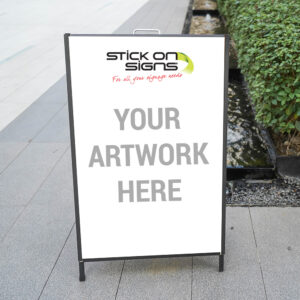
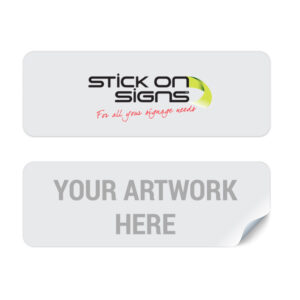
 PROMOTIONAL
Stand out with promotional materials designed to boost your marketing goals & reach.
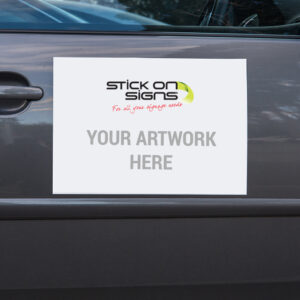
 VEHICLES
 Stick on Signs put us on the map! Our signage sets us apart from our competitors and is great for our drive by business and our word of mouth trade! It’s a great investment. The team at Stick on were helpful, knowledgeable, and we couldn’t be happier with their professionalism. We love our light box and the large signs outside. Thanks so much!
Avi Yemini
Owner–IDF Training
We have been using the services of Stick on Signs for the past 10 years. Their dedication and attention to detail is excellent. They are extremely helpful with the design aspect and provide great aftercare. They are reasonably priced and a pleasure to deal with.
Yossi Gallor
Chief Operating Officer – Space Hotel
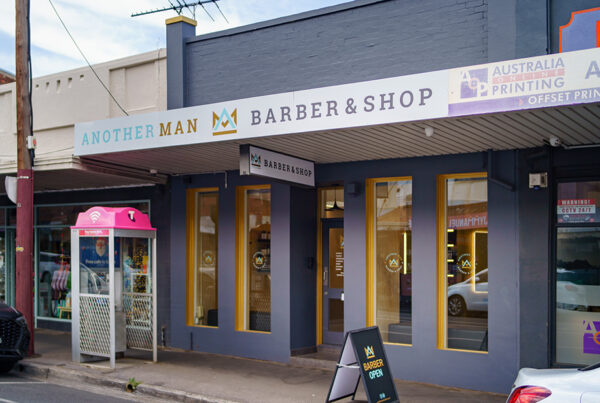
We couldn’t be happier with the incredible work Stick on Signs did for our barbershop signs across all our locations. Each shop has its own unique character, and they went above and beyond to design and install signage that perfectly complements the vibe of each space. The whole process was smooth, professional, and stress-free. Huge thanks to Nathan & team for bringing our brand to life in such a personalized way. Highly recommended!
Amleto Mariani
Another Man Barber
We used Stick On Signs to revamp our signs at our Brighton and Windsor Locations. From start to finish, their professionalism and attention to detail were exceptional. They took the time to understand our vision and brought it to life with a design that perfectly reflects our physio clinic values and atmosphere. The installation was seamless, and the final product high-quality, looking forward to see our new signs up at our Malvern clinic.
Jesse Kochen
Platinum Physiotherapy
We have used Stick on Signs as our preferred provider of signage for many years, for both external and internal requirements in the office. Nathan and the team have always been great to deal with, offering competitive pricing and a very creative approach. We look forward to continuing to use their services in the future and highly recommend them.
Danny Englman
Joint Managing Director
Our Company has been using the services of Stick on Signs for approx. 7 years. Over the time they have completed corporate office and vehicle signage. Communications with client are always open and they have assisted with design concepts, color selection and material options and completed works in a timely manner and on budget. We are looking forward to continuing our working relationship with Nathan and his team.
Troy Goodwin
Director
MELBOURNE’S FIRST CHOICE FOR CUSTOM MADE SIGNS AND SIGNAGE
Since 1976, Stick On Signs has been the go-to choice for businesses across Melbourne seeking expertly crafted, custom-made signs. Our dedication to delivering innovative and eye-catching signage solutions has cemented our reputation as industry leaders. From vibrant shop fronts and corporate offices to intricate vehicle graphics and functional industrial signage, we ensure every project we undertake enhances your brand’s visibility and appeal.
Whether you’re looking to grab attention on bustling retail strips or convey professionalism in your office space, Stick On Signs has the expertise and experience to bring your vision to life.
PROVIDING OUTDOOR SIGNS, INSTALLATION AND MORE SIGNAGE SOLUTIONS
At Stick On Signs, all our signs are locally manufactured in our Dandenong facility, allowing us to offer exceptional turnaround times without compromising on quality. This local production capability not only supports the community but also enables us to maintain strict control over the craftsmanship and materials used, ensuring each sign meets our high standards.
- Leading the industry with custom-made, innovative signs.
- Each sign is crafted to maximise your business’s exposure and appeal.
- Tailored solutions to meet the unique needs of every client.
- Utilising the latest technology for top-quality signage.
- Local Manufacturing in Dandenong
- Offering everything from outdoor signs and installations to detailed graphic designs.

RETAIL & INDUSTRY SPECIALISTS
Expert signage solutions tailored for retail fronts and industrial settings to enhance your business’s visibility.

FAST TURNAROUND ALWAYS IN STOCK
Quick, reliable service with a ready supply and local manufacturing facility ensures your signage needs are met promptly.

FREE DESIGN SERVICE
Benefit from our complimentary design consultations to create signage that perfectly reflects your brand.

SERVICING MELBOURNE
Servicing all areas of Melbourne, providing professional installation to ensure optimal signage placement and performance.

LOWEST PRICES
Guaranteed competitive rates on all our signage services, offering the great value, quality and service across Melbourne.
RETAIL & INDUSTRY SPECIALISTS
Expert signage solutions tailored for retail fronts and industrial settings to enhance your business’s visibility.
FAST TURNAROUND ALWAYS IN STOCK
Quick, reliable service with a ready supply and local manufacturing facility ensures your signage needs are met promptly.
FREE DESIGN SERVICE
Benefit from our complimentary design consultations to create signage that perfectly reflects your brand.
SERVICING MELBOURNE
Servicing all areas of Melbourne, providing professional installation to ensure optimal signage placement and performance.
LOWEST PRICES
Guaranteed competitive rates on all our signage services, offering the great value, quality and service across Melbourne.
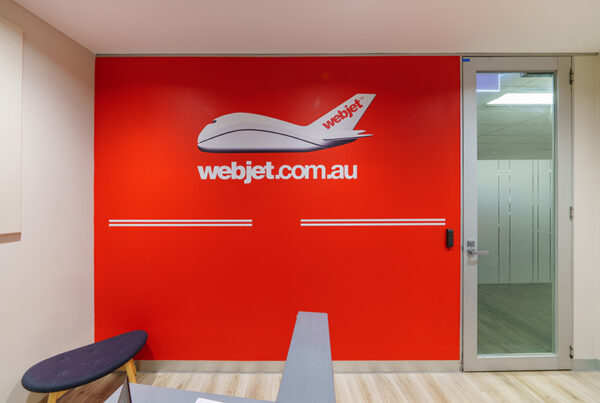
PROJECT SPOTLIGHT
A FEW OF OUR HAPPY CUSTOMERS